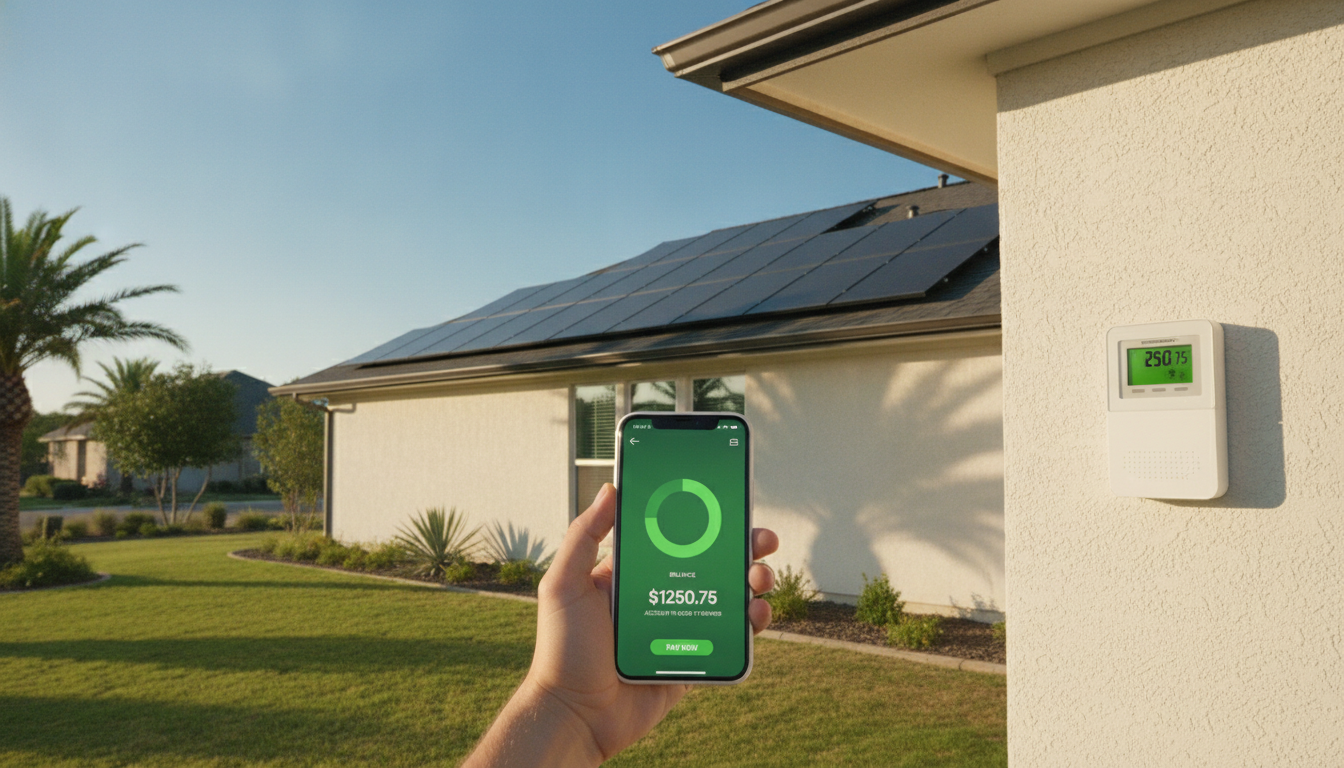


Are you a Texas homeowner or renter feeling overwhelmed by the sheer number of electricity plans and pricing structures? In the Lone Star State’s unique deregulated energy market, the power to choose is firmly in your hands – but with choice comes the responsibility to understand your options. Today, we’re cutting through the jargon to give you an honest look at the mechanics behind your electricity bill, helping you master the structural utility rules that define your home power choices. Specifically, we’ll demystify the operational differences between fixed-rate agreements and variable-rate pricing models, equipping you to make informed decisions for your household budget.
Understanding Texas’s Deregulated Energy Landscape
Texas operates under the ERCOT (Electric Reliability Council of Texas) grid, a deregulated market designed to foster competition among electricity providers. This system, often referred to as “Electric Choice,” legally strips away monopolized utility barriers, granting individual households the authority to select their retail electricity provider (REP). This means you’re not tied to a single company for your power supply. While you choose your REP for the actual electricity, the transmission and distribution utility (TDU) fees – covering the upkeep of poles and wires – are integrated uniformly across all regional grid networks and passed through by your chosen provider, ensuring a consistent charge for the delivery infrastructure regardless of your REP.
Decoding Your Options: Fixed Rate vs Variable Rate Electricity Usage
When selecting an electricity plan, two primary structures dominate the conversation: fixed-rate and variable-rate. Understanding their operational rules is crucial for managing your home energy costs, especially when facing Texas’s significant cooling demands during prolonged heat waves.
The Predictability of Fixed-Rate Plans
A fixed-rate electricity plan offers a consistent per-kilowatt-hour base charge for the duration of your contract. This means that, regardless of market fluctuations or seasonal demand, your rate for electricity consumption remains stable. Fixed service supply terms typically range from 6 to 12 months, providing budget stability and insulation from unexpected market volatility. For many families, this predictability allows for easier financial planning and a clear understanding of their daily volumetric account draw based on their usage.
The Dynamics of Variable-Rate Pricing
In contrast, a variable-rate electricity plan features per-kilowatt-hour charges that can change monthly, or even more frequently, based on real-time market conditions. While these plans can sometimes offer lower rates during periods of low demand, they also expose consumers to the risk of significant price spikes, particularly during peak usage times like intense summer heatwaves. Understanding the metrics on mandatory state disclosure sheets is vital for these plans, as they outline how your rate might fluctuate. The benefit, however, is often greater flexibility without long-term commitments.
The Strategic Advantage of Pay-As-You-Go
A flexible option within the variable-rate landscape is the pay-as-you-go or prepaid electricity model. This structure offers unparalleled control and financial visibility. By paying for your electricity in advance, you receive daily account updates, allowing you to monitor your energy usage in real-time and adjust consumption habits to manage your budget. This sequential accounting helps insulate families from unexpected seasonal energy rate spikes by empowering them to respond immediately to changes in their daily volumetric draw. It’s a proactive way to manage your power, especially critical when navigating the high costs associated with continuous air conditioning during Texas summers.
Got Power Texas: Simplifying Your Energy Choices
At Got Power Texas, we understand the importance of having power choices that fit your wallet and lifestyle. We are committed to providing a fast and affordable way to get your electricity turned on in Texas, backed by 20 plus years of experience serving the Lone Star State. Our prepaid lights service is designed to put you in control, embodying the true spirit of “Electric Choice” by offering:
- 100% Guaranteed approval for service, even when unexpected health or job issues impact traditional credit histories.
- A minimal initial $40 Electricity Connection Balance that goes directly toward your bill.
- Zero credit screening and no upfront deposit requirements.
- Daily account updates sent directly via text message, ensuring complete utility transparency.
- Fast-track activation with Same Day Service, getting your power fully turned on in just 1 to 2 hours.
- Flexible contract selections, offering 6-month or 12-month plans to fit various household profiles.
- Convenient payment options, including online using credit/debit cards and in-person cash reload options at major neighborhood retailers (Ace Cash Express, Walmart, CVS, 7-Eleven, or any MoneyGram location).
Understanding your payment options removes the stress from home utility planning, giving you the freedom to manage your electricity on your terms. “Electric Choice” means individual households hold the legal authority to choose an open, flexible billing system that fits their wallet rather than being trapped by rigid legacy providers.
Ready to master the basics of the Texas market and stop letting deep upfront security deposits hold you back? Take charge of your home power and secure your fast-track activation today. Reach out to our Texas-based team of specialists at 877-509-8953 to get started, or visit the Got Power Texas Home Page to launch your plan with just a $40 connection balance and get activated in 1 to 2 hours!
Frequently Asked Questions About Texas Electricity
How does “Electric Choice” impact my options in Texas?
“Electric Choice” in Texas means you have the legal right to select your retail electricity provider from a competitive market, rather than being assigned a single utility. This allows you to compare different plans, including fixed-rate and variable-rate structures, and choose the one that best suits your budget and energy consumption habits. It fosters competition, which can lead to more innovative plans and better customer service.
Will switching to a prepaid plan require changes to my home’s electricity setup?
No, switching to a prepaid electricity plan involves absolutely no physical alterations or equipment overhauls to your home’s electricity setup. The underlying public infrastructure, including poles, wires, and your meter, remains completely untouched. The change is purely administrative, affecting how your electricity accounting is managed and how you pay for your service, moving from traditional postpaid billing to a flexible, pay-as-you-go model.
How do I manage my electricity usage effectively with a variable rate plan during peak demand?
To effectively manage usage with a variable rate plan, especially during peak demand like summer heatwaves, focus on real-time monitoring. Many providers, especially prepaid services, offer daily account updates or online portals that show your consumption. Adjusting high-energy activities like running your washer, dryer, or dishwasher to off-peak hours, setting your thermostat a few degrees higher, and ensuring your home is well-insulated are practical strategies to control your daily volumetric account draw and mitigate potential cost increases.