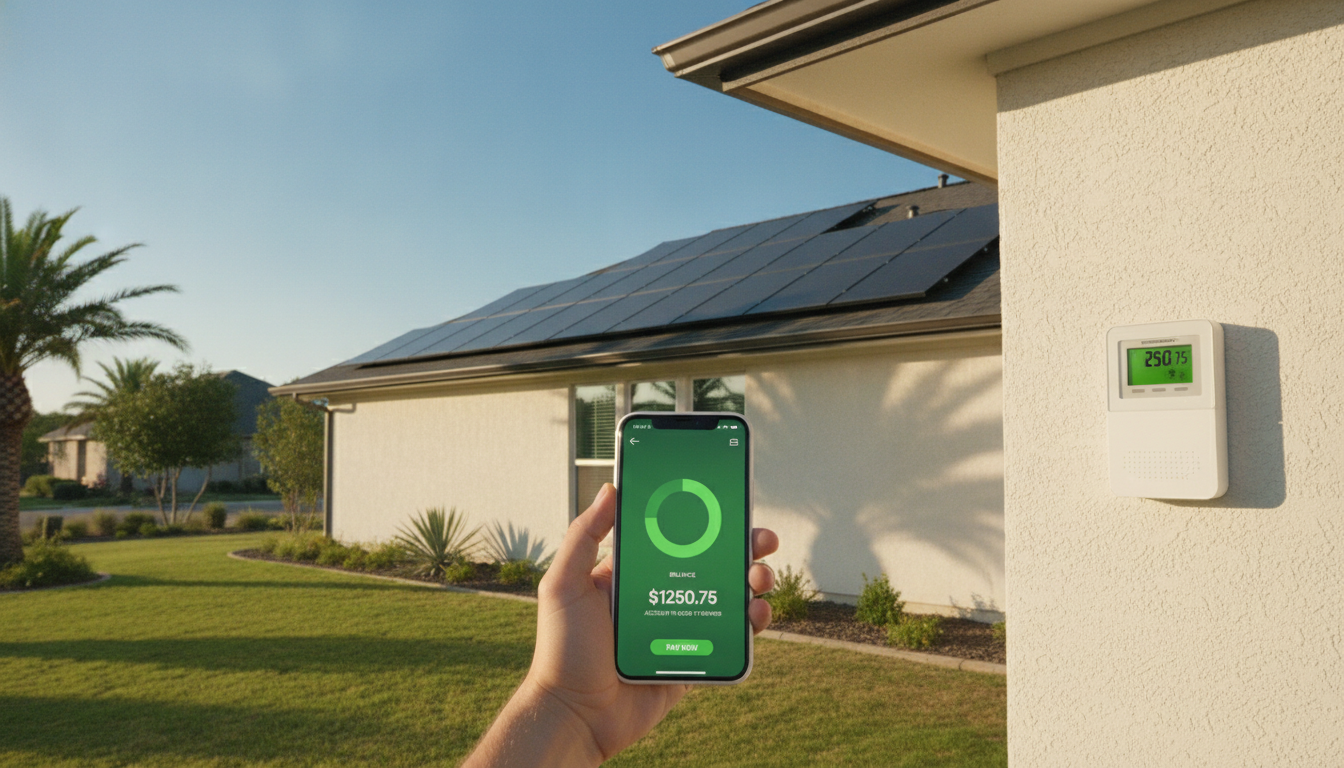

Navigating the deregulated Texas energy market can feel like trying to decipher a complex puzzle, especially when you open your monthly statement and see a list of unfamiliar charges. For homeowners, renters, and newcomers settling into the Lone Star State, understanding how the physical grid operates and how it impacts your wallet is the first step toward true financial freedom. While you have the power to choose who sells you electricity, a completely separate entity is responsible for delivering that power to your front door. Separating these two components is crucial to managing your monthly household budget.
The Great Divide: Retail Energy Providers vs. Regional Wire Managers
To understand your electric bill, you must first understand the division of labor in the Texas power grid. Your Retail Electric Provider (REP) is the company that handles your billing, manages your account, and purchases wholesale electricity on your behalf. However, your REP does not own the physical power lines, poles, or meters that deliver electricity to your home. That physical infrastructure is managed by a Transmission and Distribution Service Provider (TDSP)—often referred to as the local utility handler.
Oncor Utility Delivery Fees Explained
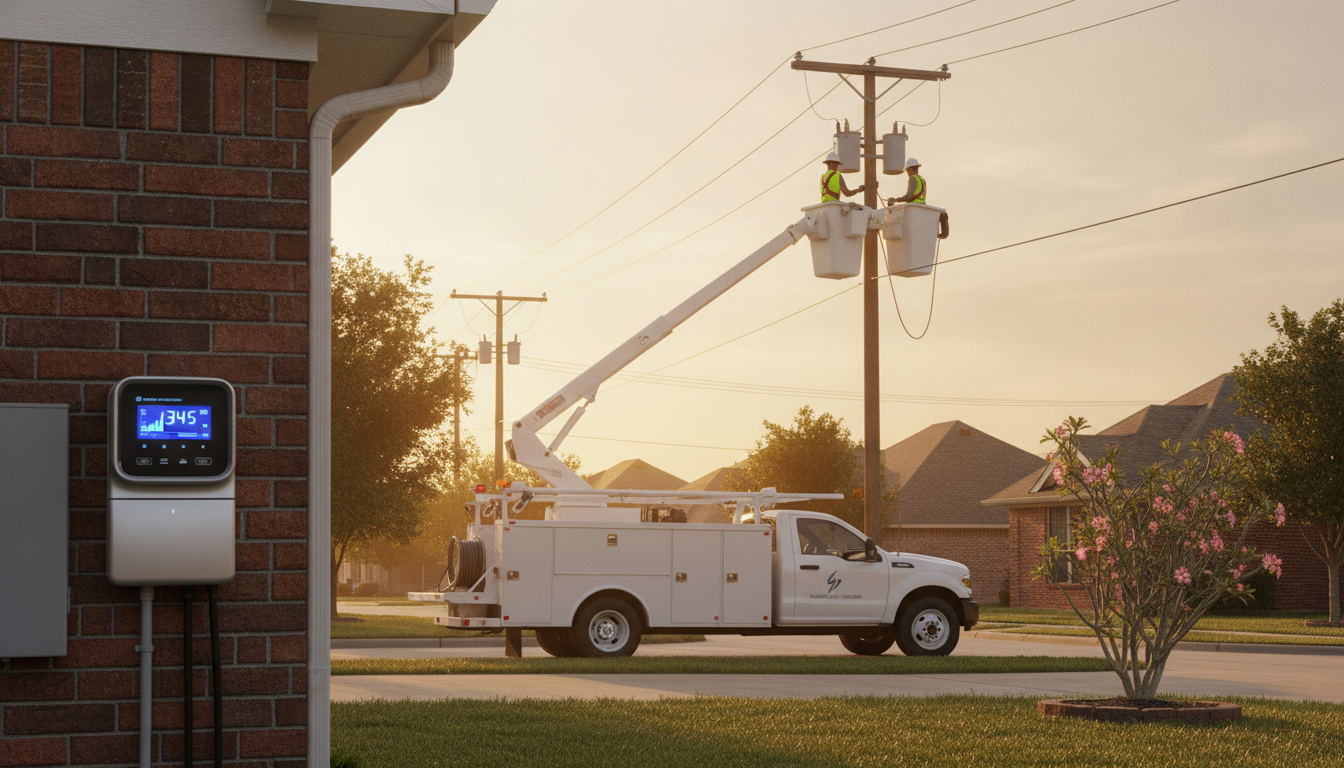
If you live in North, West, or Central Texas, your regional wire manager is most likely Oncor. This means that regardless of which retail provider you choose, Oncor is the entity physically transmitting electricity to your home, repairing downed lines after a storm, and reading your digital meter. Because they maintain this massive public infrastructure, they charge mandatory fees that are approved by the Public Utility Commission of Texas (PUCT).
When looking at oncor utility delivery fees explained in simple terms, these charges consist of two main components: a flat monthly customer charge and a variable, volumetric per-kilowatt-hour distribution charge. These fees are completely non-bypassable and are passed directly from the utility through your retail provider to you with zero markup. Whether you choose a traditional postpaid plan or a flexible prepaid plan, these regional delivery fees remain exactly the same for every home in the Oncor service territory.
Why Infrastructure Upgrades Impact Your Account Math
Texas is experiencing unprecedented population growth alongside increasingly intense seasonal weather patterns. To keep up with this demand, regional utilities like Oncor must constantly invest in grid-hardening initiatives, physical equipment upgrades, and advanced technology. These massive infrastructure projects are funded through periodic tariff adjustments approved by state regulators.
Because these utility delivery fees are updated bi-annually, they directly affect your daily account math. If you are on a pay-as-you-go plan, these adjustments flow seamlessly into your daily volumetric account draw. Understanding that these updates are mandated by the state—not your billing provider—helps you stay ahead of seasonal shifts and maintain absolute clarity over your energy spending.
Take Control of Your Energy Budget with Got Power Texas
While you cannot change your regional utility handler, you have absolute freedom to choose your retail partner. “GOT POWER PREPAID ELECTRICITY? CALL US NOW!” At Got Power Texas, we believe that managing your household utilities should be straightforward, transparent, and accessible to everyone, regardless of credit history or financial setbacks.
Backed by more than 20 years of dedicated service to the Lone Star State, we guarantee approval for our prepaid electricity services. We simplify your utility experience through a suite of flexible features designed to keep you in control:
- 100% Guaranteed Approval: No credit screening or traditional deposit hurdles, ensuring access to lights even during life’s unexpected transitions.
- Minimal $40 Starting Balance: No hidden startup fees; your entire initial payment goes directly toward your power usage.
- Zero Credit Checks: Keep your financial history private and secure your power instantly.
- Daily Text Alerts & Easy Reloads: Stay informed with daily balance updates sent directly to your phone, and reload online or at major retailers like Ace Cash Express, Walmart, CVS, 7-Eleven, or MoneyGram.
Navigating the Deregulated Texas Marketplace
The true beauty of the deregulated ERCOT marketplace is “Electric Choice.” This legal framework empowers individual households to break away from rigid, long-term postpaid contracts that lock you into high rates and unpredictable administrative fees. By partnering with a flexible energy provider like Got Power Texas, you can align your electricity payments with your personal cash flow while still relying on the safety and reliability of Oncor’s established physical network.
Ready to master your utility bill components and find an honest energy partner for your home? Take absolute control of your household tracking and secure your fast-track activation today. Reach out to our Texas-based team of specialists at 877-509-8953 to get started, or visit the Got Power Texas Home Page to launch your plan with just a $40 connection balance and get activated in 1 to 2 hours!
Frequently Asked Questions
Does switching my retail electricity plan cause a physical interruption in my power?
No. Switching retail electricity providers involves zero physical changes to your home’s wiring, meter, or connection. Because the underlying public utility infrastructure remains completely untouched, your electricity flows continuously without interruption during the transition.
Why do I see utility fees on my bill if I chose a different retail provider?
These are standard, state-regulated pass-through charges from your regional utility (such as Oncor) for maintaining the physical grid. Every retail provider is legally required to collect these fees and pass them directly to the utility company with no added markup.
How do I report a physical power outage or downed line?
Because your retail provider only handles billing and account logistics, physical grid emergencies must be reported directly to your regional utility. If you are in the Oncor service area, you should contact Oncor directly to report outages or downed lines for immediate dispatch.