

Navigating the Texas electricity market can often feel like translating a complex foreign language. For homeowners, renters, and those relocating to the Lone Star State, opening an electricity bill frequently brings unexpected questions. Many consumers find themselves wondering why their statements are split between retail energy charges and mandatory utility delivery fees. Understanding how these components interact is the key to taking complete control of your household budget and avoiding unexpected billing surprises.
The Pass-Through Uniformity Law: Equal Fees Across the Board
When analyzing your electricity statement in the Houston metropolitan area, you will inevitably encounter no deposit electricity Houston options that highlight the standard local utility fees. These are known as CenterPoint Energy TDSP pass through charges. A common misconception among Texas energy consumers is that retail electric providers (REPs) can manipulate, mark up, or discount these delivery charges to compete for your business. In reality, the Pass-Through Uniformity Law ensures complete structural standardization.
Under the strict regulation of the Public Utility Commission of Texas (PUCT), transmission and distribution service providers (TDSPs)—such as CenterPoint Energy in Houston or Oncor in other regions—charge a uniform rate for delivering electricity across their physical grid. This means that whether you choose a traditional postpaid contract, secure business electricity plans for your commercial property, or opt for a flexible pay-as-you-go setup, the underlying utility fees remain identical down to the fraction of a cent. No retail provider has the legal authority to alter these state-approved tariffs. They are simply passed directly through to the consumer without a single penny of markup.
How Regulated Delivery Fees Apply to Different Texas Regions
Just as Houstonians face standardized CenterPoint charges, residents in other parts of the state experience the exact same regulatory uniformity under their respective local utilities. For instance, those looking for prepaid electric plans Lubbock or searching for no credit electricity options Fort Worth will see the exact same standardized pass-through structure applied by their local wire handlers, such as Oncor or LP&L.
Because these delivery costs are entirely fixed by the state, they are completely non-bypassable. They cover the physical maintenance of the electrical grid, including poles, wires, and advanced digital meters. When you use the state’s power to choose to shop for an electricity plan, you are shopping exclusively for the retail energy rate and customer service quality, not the delivery fees, which remain constant across all providers in your utility zone.
GOT POWER PREPAID ELECTRICITY? CALL US NOW!
At Got Power Texas (GotPowerTexas.com), we believe that utility transparency should go hand-in-hand with absolute consumer convenience. With more than 20 years of dedicated service to the Lone Star State, we specialize in getting your prepaid lights turned on quickly, safely, and affordably—even if unexpected life events, health challenges, or job transitions have impacted your traditional credit metrics. We guarantee approval for our prepaid service so you can keep your home bright without jumping through unnecessary hoops.
We simplify utility management through a straightforward, customer-centric approach:
- Guaranteed Approval: Absolutely zero credit screening and zero upfront deposit requirements.
- Low Barrier to Entry: Start your service with a low $40 Electricity Connection Balance that goes 100% toward paying for your actual power.
- Rapid Activation: Experience the convenience of Same Day Service, with power fully turned on in just 1 to 2 hours.
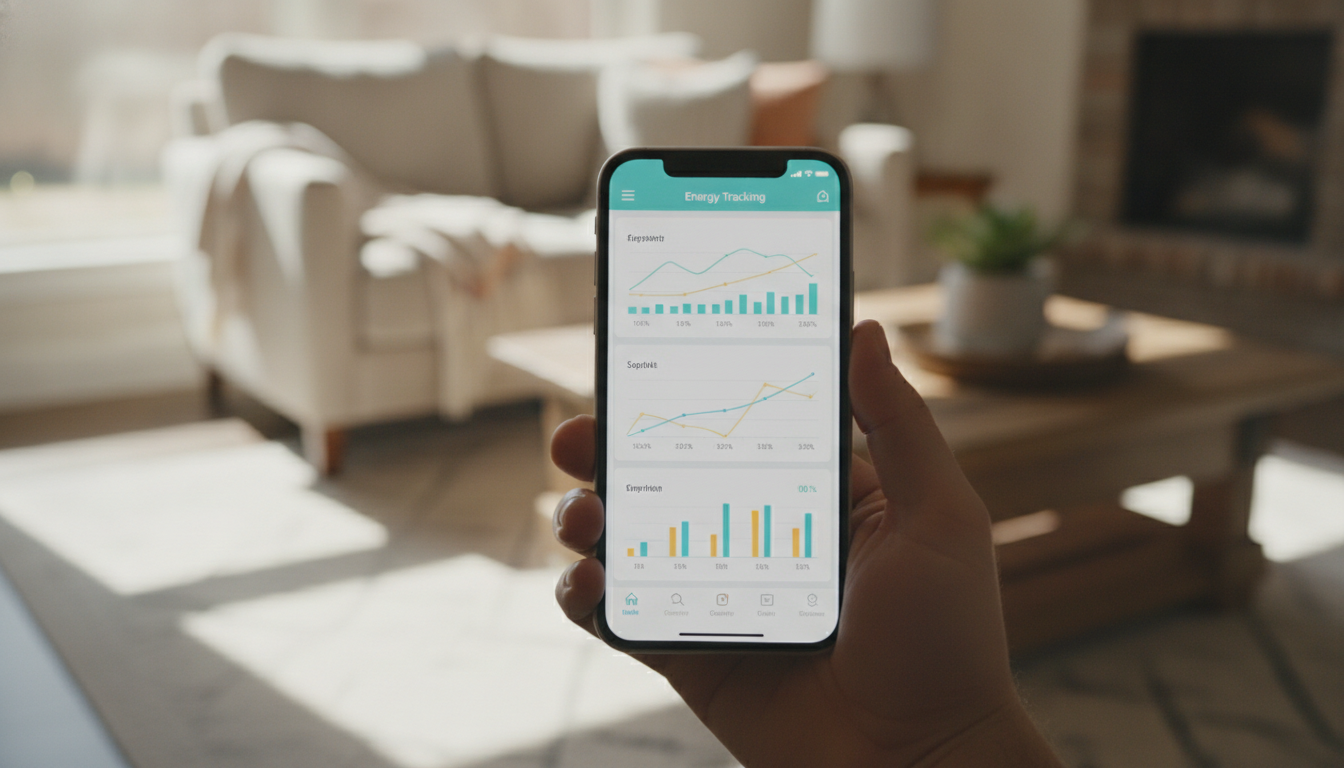
- Daily Account Tracking: Stay on top of your daily volumetric account draw with automated text message updates sent directly to your phone.
- Flexible Management: Choose from 6-month or 12-month plans, auto-billing, online credit/debit options, or cash reloads at local retailers like Ace Cash Express, Walmart, CVS, 7-Eleven, and MoneyGram.
The Power of Choice in a Deregulated Market
The deregulated ERCOT marketplace is built entirely on the foundation of consumer freedom. “Electric Choice” means that you hold the legal authority to break away from restrictive, high-deposit legacy contracts and partner with a flexible provider that respects your financial independence. Even though you rely on CenterPoint Energy to physically deliver the electricity over local lines, you have the right to choose how you pay for that energy. By choosing a transparent prepay model, you eliminate the fear of hidden fees and gain real-time visibility into your daily power consumption.
Ready to master your utility bill components and find an honest energy partner for your home? Take absolute control of your household tracking and secure your fast-track activation today. Reach out to our Texas-based team of specialists at 877-509-8953 to get started, or visit the Got Power Texas Home Page to launch your plan with just a $40 connection balance and get activated in 1 to 2 hours!
Frequently Asked Questions
What exactly are CenterPoint Energy TDSP pass through charges?
These are PUCT-regulated fees charged by CenterPoint Energy for the physical delivery of electricity to your home, as well as the maintenance of poles, wires, and meters. They are standard across the Houston region and are passed through directly to your bill without any retail markup.
Will switching to a prepaid electricity plan cause a physical disruption in my power supply?
No. Switching your retail electricity plan involves zero physical wire alterations, equipment overhauls, or interruptions to your service. The underlying public utility infrastructure remains completely untouched, meaning your physical power supply remains safe, stable, and continuous during the transition.
Can retail electric providers mark up these regulated utility charges?
No. Under Texas law, all retail electric providers must pass these transmission and distribution charges directly to the consumer at cost. The rates are set and periodically updated by the Public Utility Commission of Texas, ensuring complete uniformity across all plans.