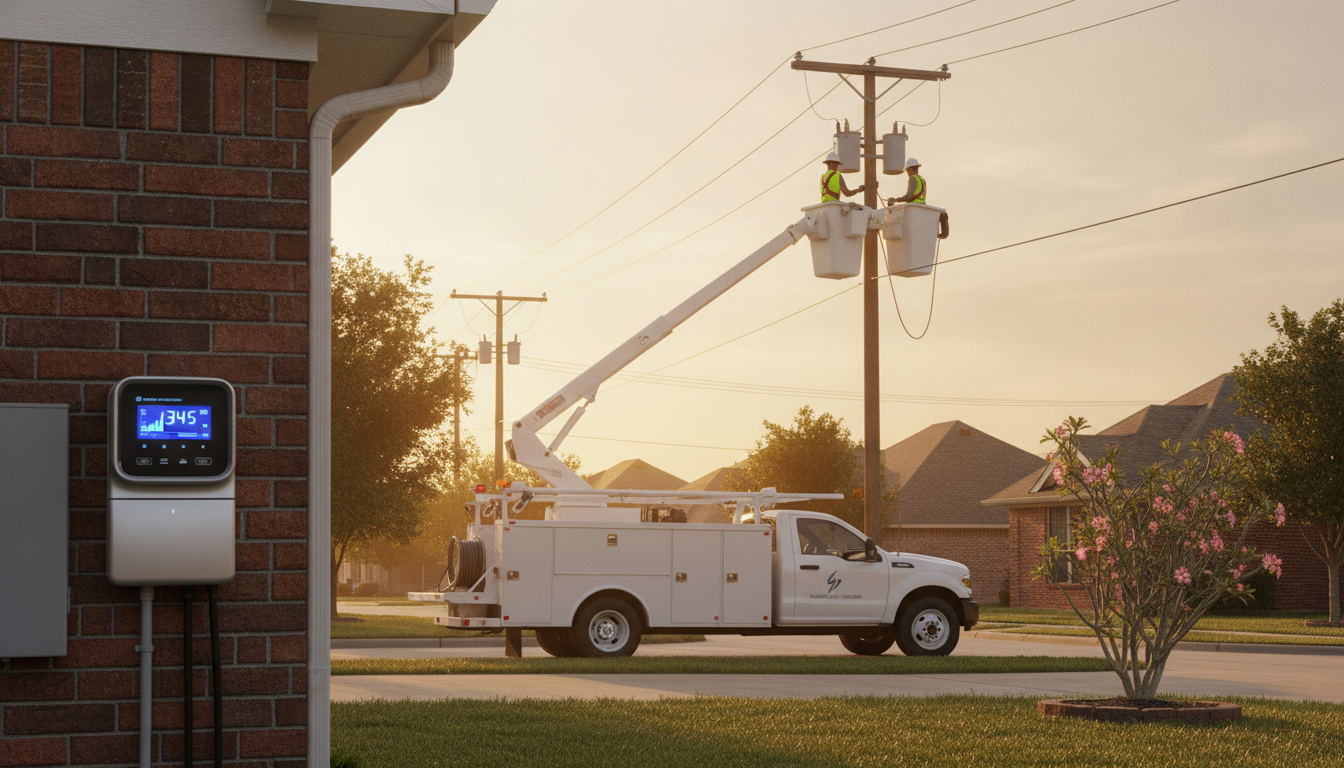


Navigating your Texas electricity bill can sometimes feel like solving a complex puzzle. For homeowners, renters, and new residents across the Lone Star State, understanding the components of your energy charges is crucial for managing your budget and making informed choices. Today, we’re diving deep into the infrastructure framework of the Texas power grid, specifically focusing on the vital operational difference between your retail electric supplier and the regional wire handler, with a close look at how CenterPoint Energy TDSP pass-through charges fit into your daily energy math.
Decoding Your Texas Power Bill: Who Does What?
In Texas’s deregulated energy market, your power journey involves two distinct entities, each playing a critical but separate role. Recognizing these roles is the first step toward true energy transparency. On one side, you have your Retail Electric Provider (REP), the company you choose to buy electricity from. On the other, you have the Transmission and Distribution Service Provider (TDSP), a state-assigned utility responsible for the physical delivery of power.
Retail Electric Providers (REPs): Your Billing Partner
Your REP is the company that handles your payment account, sets your per-kilowatt-hour energy charges, and manages your customer service. This is where your ‘Electric Choice’ truly shines! In the deregulated ERCOT marketplace, you hold the legal authority to break away from rigid retail plans and choose a flexible energy partner that suits your lifestyle, whether that’s a traditional postpaid contract or a convenient prepaid plan. Companies like Got Power Texas act as your chosen REP, offering various plans and services designed to fit your household’s unique needs.
Transmission and Distribution Service Providers (TDSPs): The Unseen Grid Managers
While your REP manages your billing, a completely separate entity physically maintains the poles, clears fallen tree limbs, and manages neighborhood outage alerts. In the Houston footprint, this vital role is played by CenterPoint Energy, your designated TDSP. These TDSPs are responsible for the infrastructure that safely transmits power over local lines to your home. They are state-regulated monopolies for their specific regions, meaning you cannot choose your TDSP; it’s assigned based on your location. The critical takeaway here is that the services provided by CenterPoint Energy are non-bypassable—every household in their service area relies on their network, regardless of their chosen REP.
The Mechanics of Pass-Through Charges
So, where do CenterPoint Energy TDSP pass-through charges come in? These are the fees collected by your REP on behalf of CenterPoint Energy to cover the costs of maintaining and upgrading the vast network of poles, wires, and other infrastructure that brings electricity to your door. Texas’s booming population, soaring seasonal climate demands (think intense summer heat and winter freezes), and regional grid-hardening initiatives require local utilities like CenterPoint Energy to periodically update their state tariffs. These adjustments, approved by the Public Utility Commission of Texas (PUCT), are passed directly through to consumers.
It’s crucial to understand that these regulated distribution and transmission delivery fees are entirely standard for a region. Whether a household utilizes a traditional postpaid contract or a flexible prepaid plan, the exact same regional delivery fees apply with zero markup from your REP. These pass-through costs directly affect your daily pay-as-you-go balances, as they are part of the total cost of delivering electricity to your home.
Your Power, Your Choice: Navigating the ERCOT Market
Understanding this distinction empowers you. While you cannot choose your TDSP, you have absolute control over your REP. This