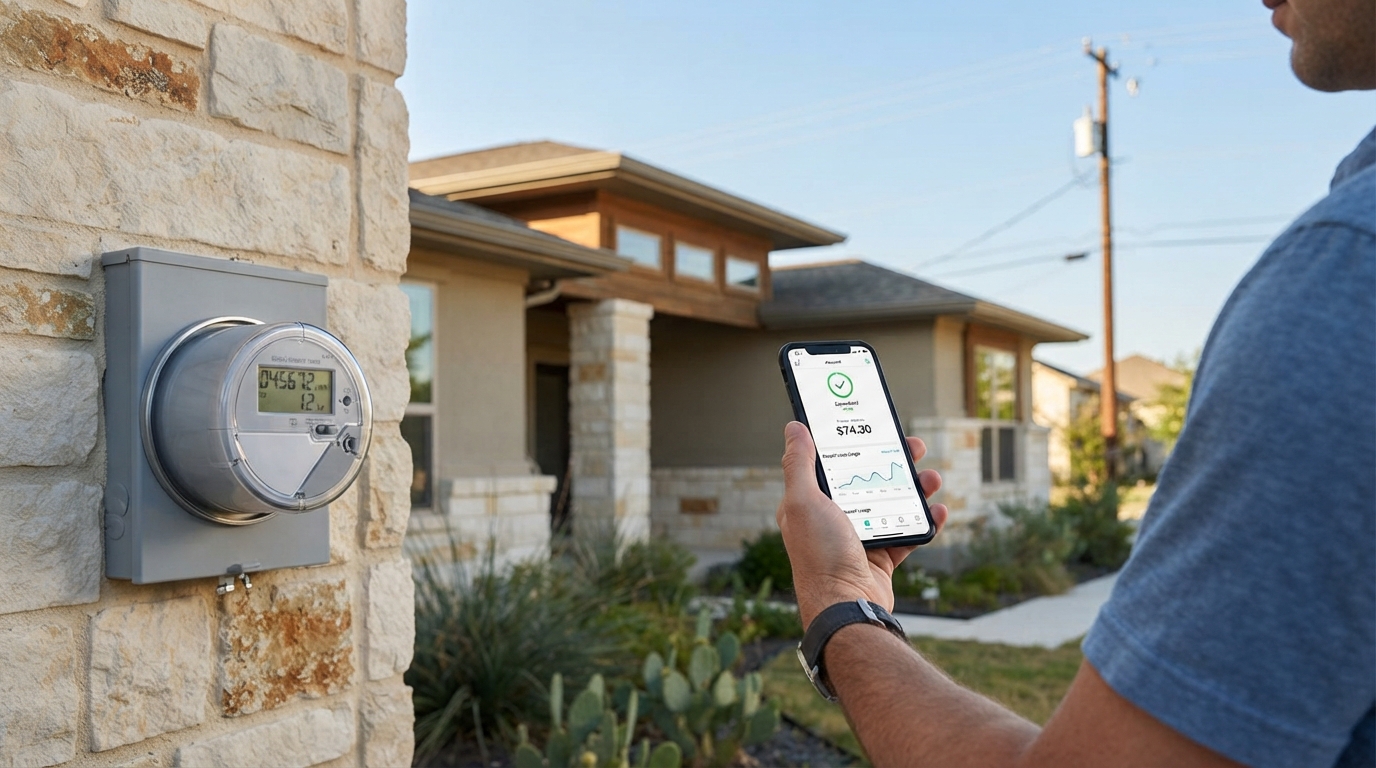

Are you a Houston homeowner, renter, or new resident navigating the dynamic landscape of Texas electricity bills? Understanding how your power gets to your home is key to managing your budget, especially when state-regulated adjustments come into play. Today, we’re diving deep into the essential, yet often misunderstood, operational costs that keep your lights on and your AC running, focusing on how infrastructure upgrades directly influence your daily energy math.
Understanding How Infrastructure Upgrades Reshape Your Utility Math
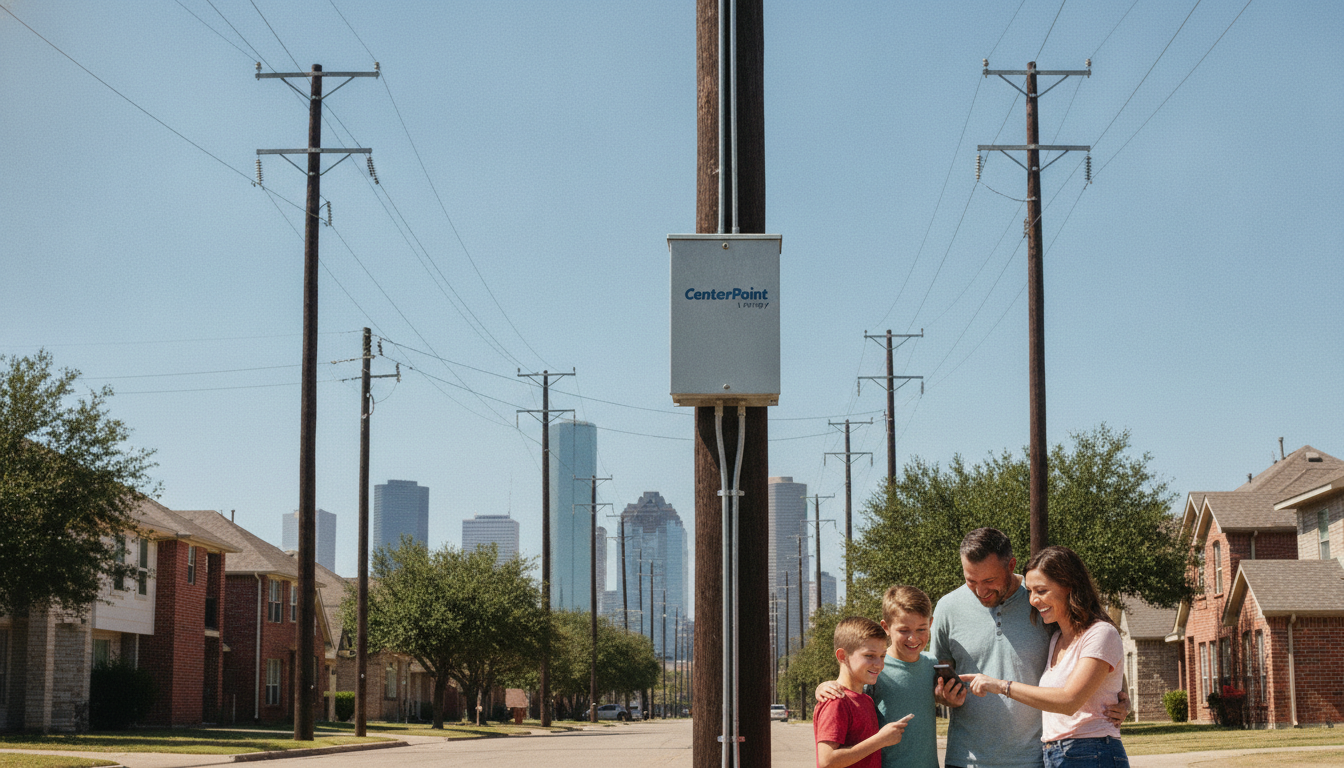
Texas is a state of booming growth, experiencing a significant population surge and ever-increasing demand on its power grid, especially during intense seasonal shifts. To keep pace and ensure reliability, regional grid operators like CenterPoint Energy, serving the vast Houston footprint, continually invest in critical infrastructure hardening and maintenance. These essential upgrades—from enhancing power lines to improving substations—are vital for safety, efficiency, and resilience against extreme weather events. However, these initiatives come with a cost, which is periodically reviewed and approved by the Public Utility Commission of Texas (PUCT) and then passed directly to consumers as regulated charges.
These adjustments, often occurring on a bi-annual basis, flow directly into your daily account balances if you’re on a pay-as-you-go plan. They represent the real-world expenses of maintaining a modern, robust power delivery system capable of supporting millions of homes and businesses.
The Mechanics of CenterPoint Energy TDSP Pass-Through Charges
When you see “TDSP charges” on your electricity statement, you’re looking at the fees levied by your Transmission and Distribution Service Provider—in the Houston area, that’s CenterPoint Energy. These are not charges set by your retail electricity provider; rather, they are non-bypassable, state-regulated costs that every household in the CenterPoint service territory pays, regardless of their chosen energy plan.
These pass-through charges cover two main categories: fixed monthly utility base charges and variable, per-kilowatt-hour distribution and transmission costs. The fixed charges are a standard fee to connect to the grid, while the volumetric charges reflect the cost of moving electricity across the poles and wires for every unit of energy you consume. These funds directly support the physical infrastructure—the poles, wires, transformers—and the dedicated crews who maintain them, clear fallen tree limbs, and manage neighborhood outage alerts. Understanding that these are uniform, regulated costs ensures you know exactly what you’re paying for in terms of grid reliability and upkeep.
Your Power, Your Choice: Navigating Deregulation with Transparency
The deregulated ERCOT marketplace in Texas offers incredible freedom: “Electric Choice.” This means individual households hold the legal authority to choose their retail energy partner, breaking away from rigid plans to find a flexible energy solution that fits their lifestyle. While your chosen retail power company handles your payment account and billing, a completely separate, non-bypassable regional transmission utility like CenterPoint Energy physically maintains the lines and ensures safe, reliable power delivery.
This separation is crucial. It means that whether you opt for a traditional postpaid contract or a flexible prepaid plan, the exact same regional delivery fees apply, with zero markup from your retail provider. Your freedom to choose a retail provider is about selecting your energy rate, customer service, and payment terms, not about altering the fundamental delivery costs.
Got Power Texas is designed to simplify this transparency:
- 100% Guaranteed Approval: We believe everyone deserves access to electricity, regardless of credit history.
- Zero Credit Checks & Zero Upfront Deposit: Get your power without financial barriers.
- Low $40 Electricity Connection Balance: This goes directly toward your bill, making activation affordable.
- Daily Account Updates: Stay in control with text message alerts on your balance and usage.
- Flexible Plans: Choose 6-month or 12-month options to suit your needs.
- Fast Activation: Power fully turned on via Same Day Service in just 1 to 2 hours.
- Convenient Payments: Pay online with credit/debit or reload cash at major retailers like Walmart, CVS, and 7-Eleven.
Understanding how your regional utility interacts with your retail plan removes the confusion from energy shopping, empowering you to make informed decisions for your home.
Ready to master your utility bill components and find an honest energy partner for your home? Take absolute control of your household tracking and secure your fast-track activation today. Reach out to our Texas-based team of specialists at 877-509-8953 to get started, or visit the Got Power Texas Home Page to launch your plan with just a $40 connection balance and get activated in 1 to 2 hours!
FAQ: Your Texas Electricity Questions Answered
Why do my electricity costs sometimes fluctuate, even if my usage remains consistent?
Fluctuations can occur due to periodic adjustments in the state-regulated pass-through charges levied by your regional utility, such as CenterPoint Energy. These charges fund essential grid infrastructure upgrades and maintenance, and while your retail energy rate might be stable, these non-bypassable delivery fees can change based on PUCT approvals, directly impacting your total bill.
If I switch retail electricity providers, does CenterPoint Energy need to alter my physical power lines or equipment?
Absolutely not. Switching retail providers, whether to a prepaid plan or a traditional contract, involves zero physical alterations or equipment overhauls at your home. Your underlying public infrastructure, maintained by CenterPoint Energy, remains completely untouched. The change is purely administrative, updating who sends you the bill for the energy delivered over the existing lines.
How does Texas “Electric Choice” relate to these utility delivery charges?
“Electric Choice” in Texas means you can select your retail electricity provider and their specific energy plan, including their per-kilowatt-hour energy charges. However, the delivery charges from your regional utility (like CenterPoint Energy’s TDSP charges) are separate, regulated, and uniform across all customers in that service area, regardless of their chosen retail provider. You have choice over your energy supplier, but the infrastructure fees are standard for everyone.