

Navigating the Texas electricity market can feel like trying to translate a foreign language, especially when you open your monthly statement and see a list of mystery charges. For homeowners, renters, and newcomers arriving in the Lone Star State, understanding how the grid is managed is the ultimate key to taking control of your energy budget. Many Texans are surprised to learn that their electric bill is actually split between two completely different entities: the company that bills them and the utility that physically delivers the power. When you see delivery charges on your statement, you are looking at regulated costs that keep the lights on, regardless of who you pay for your actual energy consumption.
The Texas Grid Division: Retail Providers vs. Wire Managers
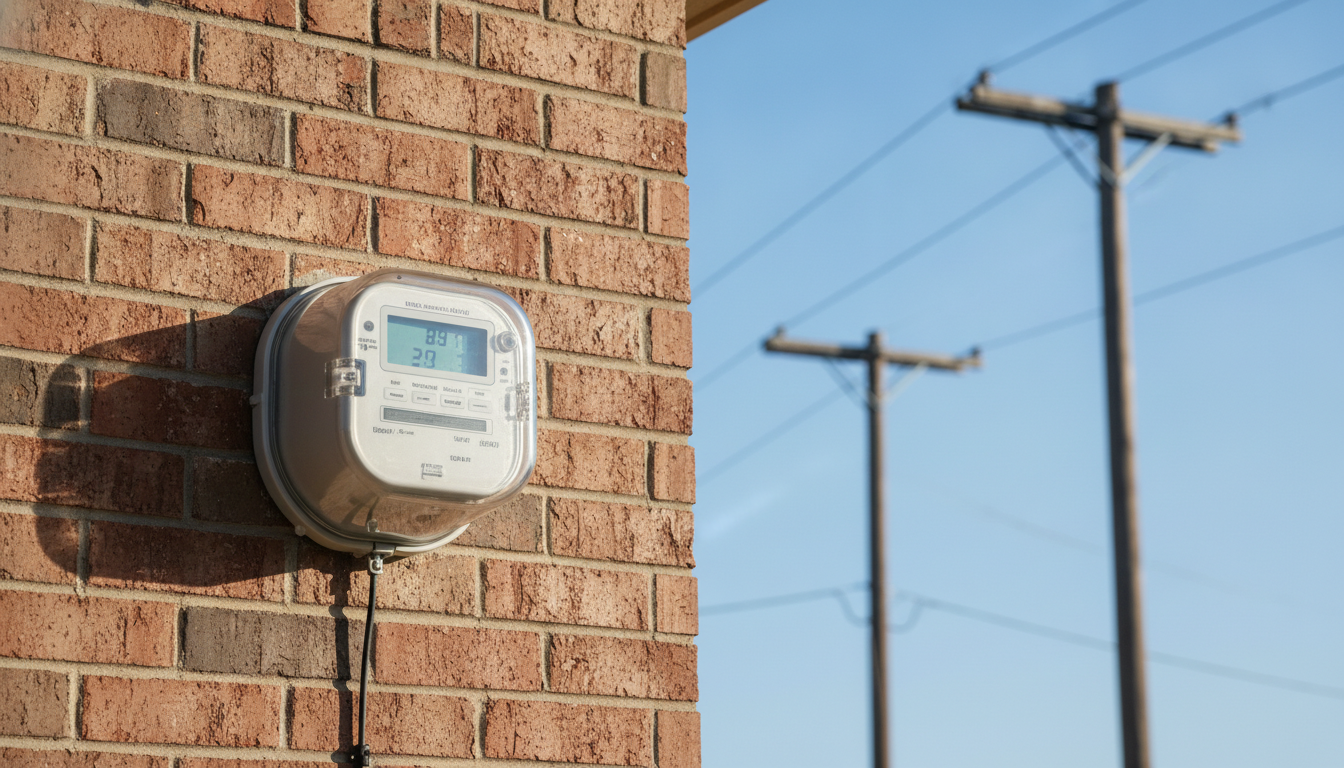
To master your household energy tracking, you must first understand the operational boundary between a Retail Electric Provider (REP) and a Transmission and Distribution Utility (TDU). Your retail power company is your billing partner. They manage your account, process your payments, and purchase wholesale electricity to sell to you. However, they do not own a single power line, utility pole, or electrical meter.
That physical responsibility belongs to your regional TDU (also known as a TDSP). In North and West Texas, Oncor is the primary wire handler. In the Houston footprint, CenterPoint Energy manages the infrastructure. These utilities are responsible for physically maintaining the poles, clearing fallen tree limbs after severe storms, and managing neighborhood outage alerts. Because they operate a physical monopoly in their designated territories, their service is non-bypassable. No matter which retail provider you choose, the same regional utility will always deliver your electricity.
Oncor Utility Delivery Fees Explained: What Are These Charges?
When looking at your account details, having the oncor utility delivery fees explained helps demystify your daily account draw. These charges are fully regulated by the Public Utility Commission of Texas (PUCT) and are passed through directly from the utility to the consumer without any markup from your retail provider. They consist of two primary structural elements:
- Fixed Monthly Base Charges: A flat monthly fee that covers the administrative cost of managing your connection and reading your smart meter. This charge remains identical every month, regardless of how much energy you consume.
- Volumetric Distribution and Transmission Costs: A variable fee assessed on a per-kilowatt-hour basis. This charge fluctuates directly with your energy usage, paying for the physical delivery of electricity across the high-voltage transmission lines to your local neighborhood.
Because these bi-annual tariff adjustments are state-regulated, they apply uniformly to every household in the region. Whether you utilize a traditional postpaid contract or flexible prepaid lights, you pay the exact same delivery fees. If you are searching for no credit electricity options Fort Worth residents rely on, knowing that these infrastructure fees are completely standardized helps you compare retail plans fairly.
How Deregulation Empowers Your Wallet
While you cannot choose your regional wire manager, the deregulated ERCOT marketplace gives you complete authority over your retail partner. This “Electric Choice” means you are never locked into a rigid relationship with a single billing provider. You have the legal right to break away from traditional, high-deposit plans and choose a flexible energy partner that fits your lifestyle.
For instance, families moving to South Texas can easily find no deposit electricity Houston plans to avoid steep upfront costs. Meanwhile, residents in West Texas transitioning to municipal-supported frameworks can secure prepaid electric plans Lubbock providers offer to keep their daily budgets highly visible. Even commercial enterprises have the freedom to shop for competitive business electricity plans to protect their bottom lines. By using the state’s power to choose, you can find a billing model that aligns with your financial goals while relying on Oncor or CenterPoint to safely transmit the physical power.
GOT POWER PREPAID ELECTRICITY? CALL US NOW!
At Got Power Texas, we believe that understanding your utility bill components should lead to simpler, more accessible energy options. Backed by 20 plus years of experience serving the Lone Star State, we guarantee approval for our prepaid lights service—even when unexpected health or job issues impact traditional credit metrics. We eliminate the barriers to getting your power turned on quickly and affordably.
We simplify your utility transparency through a host of consumer-friendly benefits:
- 100% Guaranteed Approval: Absolutely zero credit screening and zero upfront deposit requirements.
- Low Starting Balance: Enrolling requires just a low $40 Electricity Connection Balance that goes directly toward paying for your power.
- Same Day Service: Get your electricity fully turned on in just 1 to 2 hours.
- Real-Time Management: Receive daily account updates sent directly via text message so you always know your balance.
- Flexible Payments: Pay online using credit/debit cards, set up automatic billing, or reload with cash at major neighborhood retailers like Ace Cash Express, Walmart, CVS, 7-Eleven, or any MoneyGram location.
- Adaptable Terms: Choose from flexible 6-month or 12-month plans to fit your household’s seasonal needs.
Understanding how your regional utility interacts with your retail plan removes the confusion from energy shopping. By separating the physical delivery of power from your billing provider, you can make an educated choice that keeps your budget balanced and your home bright.
Ready to master your utility bill components and find an honest energy partner for your home? Take absolute control of your household tracking and secure your fast-track activation today. Reach out to our Texas-based team of specialists at 877-509-8953 to get started, or visit the Got Power Texas Home Page to launch your plan with just a $40 connection balance and get activated in 1 to 2 hours!
Frequently Asked Questions
Will switching my retail electricity provider cause a physical power outage or require new wires?
No. Switching your retail provider involves absolutely zero physical alterations, equipment overhauls, or wire changes at your home. Because the underlying public infrastructure is entirely maintained by your regional utility (such as Oncor), your physical connection to the grid remains completely untouched. The transition is purely administrative, meaning your lights stay on throughout the entire process.
Why do my utility delivery charges change twice a year?
The Public Utility Commission of Texas permits regional utilities to adjust their pass-through tariffs twice a year, typically in March and September. These adjustments allow utilities to recover the costs of grid-hardening initiatives, major storm restorations, and infrastructure expansions required by Texas’ booming population and intense seasonal climate shifts.
Can I choose a different utility company to avoid these delivery fees?
No. Transmission and Distribution Utilities operate as regulated monopolies within their specific geographic territories to prevent the chaotic duplication of physical power lines. While you have the total freedom to choose your retail billing provider, you must use the state-assigned utility network physically connected to your home to safely transmit your power.